
Atrial Fibrillation (AFib): Symptoms, Causes, Stroke Risk, Diagnosis, and Advanced Treatment
Advertisement
Atrial fibrillation is the most common sustained cardiac arrhythmia in the world. By the age of 80, roughly one in ten people will have it. Many will not know. The condition often arrives quietly, sometimes producing no symptoms at all, and the first sign for some patients is the most catastrophic complication it can produce: a stroke.
This is the central paradox of atrial fibrillation. It is common, treatable, and often manageable to a near-normal life. Yet it is also one of the leading preventable causes of stroke worldwide, and patients who go undiagnosed face risks that effective treatment could have substantially reduced.
The past decade has transformed how atrial fibrillation is understood and treated. Newer anticoagulants have largely replaced warfarin in routine practice. Catheter ablation has matured from an experimental procedure into a mainstream treatment that, in many cases, is offered as first-line therapy rather than as a last resort. Newer ablation technologies, including pulsed field ablation, are changing what is achievable in terms of both safety and effectiveness. The result is that atrial fibrillation today is more diagnosable, more treatable, and more livable than at any point in cardiac history.
This guide explains how the heart's electrical system works, what goes wrong in atrial fibrillation, why the condition matters even when it produces no symptoms, and how modern treatment is reshaping outcomes for the millions of people who live with the disease.
How the Heart's Electrical System Normally Works
To understand atrial fibrillation, it helps to start with how the heart normally beats. The heart is not a single pump but a coordinated system of four chambers that contract in a precisely timed sequence. The two upper chambers, the atria, fill with blood and push it into the two lower chambers, the ventricles, which then contract more forcefully to send blood out to the lungs and the rest of the body.
This sequence depends on electrical signals. The signals originate in a small cluster of specialized cells in the right atrium called the sinoatrial node, often referred to simply as the sinus node. The sinus node is the heart's natural pacemaker. It fires electrical impulses at a rate adjusted continuously to the body's needs, slowing during rest and accelerating during exertion or emotional stress.
Each impulse spreads across the atria, causing them to contract and push blood into the ventricles. The signal then passes through a structure called the atrioventricular node, which acts as a gateway, briefly delaying the impulse to allow the ventricles to fill before they themselves contract.
When this system works as intended, the heart beats in a regular, coordinated rhythm called sinus rhythm. The atria and ventricles work in sequence. Blood moves through the heart efficiently, and the body receives the oxygenated blood it needs.
In atrial fibrillation, this coordination breaks down.
What Happens in Atrial Fibrillation
In atrial fibrillation, the orderly electrical activity of the atria is replaced by rapid, chaotic, disorganized electrical signals. Multiple electrical waves circulate through the atrial tissue at the same time, often firing at rates of 300 to 600 beats per minute. The atria cannot mechanically contract at this speed. Instead of pumping, they quiver, which is what the term fibrillation literally describes.
The mechanical consequence is significant. The atria, which normally contribute meaningfully to filling the ventricles, are no longer doing so. The ventricles still receive blood, but they receive it less efficiently and in a less coordinated way.
The atrioventricular node continues to act as a gateway, but it is now bombarded with chaotic signals from above. Some of these signals pass through to the ventricles and some are blocked. The result is that the ventricles contract irregularly and often rapidly, producing the characteristic irregular pulse that gives atrial fibrillation its clinical signature.
In most cases, atrial fibrillation begins with electrical triggers from a specific anatomic region: the area where the pulmonary veins enter the left atrium. The muscle tissue surrounding these veins can produce abnormal electrical impulses that initiate the chaotic atrial activity. This anatomical insight is foundational to modern treatment, and it underlies the most important therapeutic procedure for AFib, pulmonary vein isolation.
The Three Patterns of Atrial Fibrillation
Atrial fibrillation does not always behave the same way in every patient. Three patterns are recognized, each with implications for treatment.
Paroxysmal Atrial Fibrillation
In paroxysmal atrial fibrillation, episodes start suddenly and stop on their own, typically within a few hours and almost always within seven days. Between episodes, the heart returns to normal sinus rhythm. The condition is intermittent, and patients may experience anywhere from rare episodes to multiple episodes each day.
Persistent Atrial Fibrillation
In persistent atrial fibrillation, episodes do not resolve spontaneously and require active intervention to restore normal rhythm. This intervention may take the form of medications, an electrical cardioversion, or a catheter procedure.
Permanent Atrial Fibrillation
In permanent atrial fibrillation, attempts to restore normal sinus rhythm have either failed or are no longer being pursued, and the patient and clinical team have accepted ongoing atrial fibrillation as the operating rhythm. The focus shifts to controlling the heart rate and preventing complications rather than restoring sinus rhythm.
These categories are not fixed. Many patients progress over time from paroxysmal to persistent to permanent atrial fibrillation, particularly when the condition is left untreated for years. This progression is one of the reasons that early intervention has become a central principle of modern AFib management.
For more on triggers and underlying causes, see What Causes Atrial Fibrillation? Mechanisms, Triggers, and Risk Factors Explained.
Who Develops Atrial Fibrillation
The risk of developing atrial fibrillation rises sharply with age. The condition is uncommon in people under 50 and increasingly common with each decade after that. By the age of 80, approximately 10 percent of the population is affected, and at older ages the prevalence continues to rise.
Several conditions and lifestyle factors increase the likelihood of developing atrial fibrillation, often by promoting structural or electrical changes in the atria over time.
High blood pressure is one of the strongest contributors. Long-standing hypertension stretches and remodels the atria, creating the substrate on which atrial fibrillation develops.
Heart failure raises atrial pressures and predisposes to the same kind of remodeling. The relationship is bidirectional: atrial fibrillation can cause or worsen heart failure, and heart failure can trigger atrial fibrillation.
Diabetes contributes through several mechanisms, including direct effects on cardiac tissue and the cardiovascular consequences of poorly controlled glucose. The relationship between diabetes and atrial fibrillation is part of the broader cardiovascular impact that diabetes carries.
Obesity is a powerful and underappreciated driver of atrial fibrillation. Excess body weight, particularly abdominal fat, promotes atrial enlargement, inflammation, and the pulmonary venous changes that initiate AFib. Notably, weight loss has been shown to reduce the burden of atrial fibrillation in patients who are overweight, which is one of the most actionable findings in modern arrhythmia care.
Excessive alcohol consumption, particularly binge drinking, is a well-known trigger. Even moderate amounts of alcohol can provoke episodes in susceptible individuals. The combination of alcohol with other arrhythmogenic factors creates particular risk.
Sleep apnea, when undiagnosed and untreated, contributes substantially to atrial fibrillation through repeated nighttime drops in oxygen and surges in autonomic tone. Treating sleep apnea has been shown to reduce AFib episodes and improve outcomes after ablation.
Hyperthyroidism increases AFib risk by directly affecting cardiac excitability. Treatment of the underlying thyroid disease often resolves the arrhythmia.
It is worth emphasizing that atrial fibrillation can occur in people without any of these risk factors, including young, otherwise healthy individuals. Family history plays a role in some cases, and certain people develop AFib without an identifiable trigger.
For a deeper look at the lifestyle factors that contribute, see Lifestyle Changes That Improve Atrial Fibrillation: What Actually Works? and AFib and Alcohol: What You Need to Know.
Advertisement
Symptoms
Most patients with atrial fibrillation experience some symptoms, though the range and severity vary widely. The most common symptom is the sensation of a rapid, irregular, or fluttering heartbeat. This sensation may be brief and barely noticeable, or it may be intense and frightening.
Beyond palpitations, patients commonly experience shortness of breath, particularly with exertion. Reduced exercise tolerance and unusual fatigue are frequent complaints. Some patients describe a vague sense of being unwell that is difficult to articulate but unmistakable to them.
Less common but more serious symptoms can include chest discomfort, lightheadedness, and fainting. These symptoms warrant prompt evaluation, as they may indicate that the heart rate is poorly controlled or that other cardiac concerns are present.
A meaningful proportion of patients with atrial fibrillation experience no symptoms at all. The condition is detected incidentally, often during a routine examination, on an electrocardiogram performed for another reason, or after a stroke has occurred and the search for its cause reveals previously unrecognized AFib.
The variability of symptoms is one of the reasons atrial fibrillation is often underdiagnosed. Patients with mild or no symptoms may live with the condition for years without seeking evaluation, accumulating risk during this time.
For more on palpitations and when they warrant concern, see Heart Palpitations: Causes, Symptoms, and When to Worry.
The Stroke Connection: Why AFib Is Dangerous
The most consequential complication of atrial fibrillation is stroke. The connection between the two is not coincidental but mechanical, and understanding it explains why anticoagulation has become central to AFib treatment.
When the atria fibrillate rather than contract, blood does not move through them efficiently. Stagnant or sluggish blood is at risk of forming clots. The most common location for these clots is a small pouch off the left atrium called the left atrial appendage, where blood is particularly prone to pooling during atrial fibrillation.
A clot that forms in the left atrial appendage can break loose, enter the systemic circulation, and travel through the arterial system. If it reaches the brain, it can lodge in a cerebral artery, blocking blood flow to a portion of the brain and causing an ischemic stroke. Strokes caused by atrial fibrillation tend to be larger, more disabling, and more often fatal than other types of stroke, because the clots that form in the heart are typically larger than those that form in cerebral vessels.
Many patients are first diagnosed with atrial fibrillation only after a stroke has occurred. The investigation that follows the stroke reveals the previously unrecognized arrhythmia, often after the most severe damage has already been done. This is precisely the scenario that earlier diagnosis and appropriate anticoagulation could prevent.
For a detailed discussion of stroke and AFib, see Stroke Risk in Atrial Fibrillation: Why It Happens and How to Prevent It and Stroke Symptoms: Early Signs You Should Never Ignore.
Estimating Stroke Risk: The CHA2DS2-VASc Score
Not every patient with atrial fibrillation faces the same stroke risk. Several clinical factors strongly influence how likely a stroke is, and a standardized scoring system, the CHA2DS2-VASc score, is used to estimate this risk and guide decisions about anticoagulation.
The score assigns points for each of the following: congestive heart failure, hypertension, age 75 or older, diabetes, prior stroke or transient ischemic attack, vascular disease, age 65 to 74, and female sex. Higher scores indicate higher annual stroke risk.
For most patients with a score of 2 or higher, anticoagulation is strongly recommended. The reduction in stroke risk achieved with effective anticoagulation typically far outweighs the risks of bleeding, which is the main downside of these medications. For patients with lower scores, the decision is more individualized, balancing modest stroke risk reduction against the inconvenience and bleeding risk of treatment.
This individualized approach is important because anticoagulation is not without consequence. Bleeding, including potentially serious bleeding, is the main complication. The decision to anticoagulate is a clinical judgment based on weighing risks and benefits in each specific patient, and it should be revisited periodically as the patient's risk profile changes over time.
Diagnosis
The diagnosis of atrial fibrillation is established through electrical recordings of the heart's activity, most commonly an electrocardiogram, often abbreviated as ECG or EKG.
Standard ECG
A standard 12-lead ECG, performed in a few minutes in a clinic, can capture atrial fibrillation if the patient is in AFib at the time of the recording. The diagnosis is made by characteristic findings: the absence of normal P waves that represent organized atrial activity, replaced by irregular fibrillatory waves, and an irregularly irregular ventricular rhythm.
For paroxysmal atrial fibrillation, where episodes come and go, a single ECG may show normal sinus rhythm if the recording is made between episodes. In these cases, longer-duration monitoring is needed.
Holter and Event Monitoring
A Holter monitor is a small device that records the heart's electrical activity continuously, typically for 24 to 48 hours. This longer recording window increases the chance of capturing intermittent atrial fibrillation. For patients with episodes that are even less frequent, event monitors and patch monitors that can be worn for one to four weeks provide longer surveillance.
Implantable Loop Recorders
For patients in whom atrial fibrillation is strongly suspected but not captured on shorter monitoring, an implantable loop recorder, a small device placed under the skin of the chest, can monitor the heart's rhythm continuously for several years. These devices have become particularly important in evaluating patients who have had a cryptogenic stroke, where the cause is not initially apparent and undiagnosed atrial fibrillation is a leading possibility.
Wearable Technology
Consumer wearable devices, including smartwatches and dedicated patches, have introduced a new dimension to AFib detection. Many of these devices can identify irregular rhythms and prompt the user to seek medical evaluation. While the diagnostic accuracy varies and not every irregular rhythm signaled by a wearable is true AFib, these technologies have meaningfully expanded the population in which AFib is detected and have brought patients to clinical attention earlier than they might otherwise have arrived.
For a deeper look at diagnostic approaches, see AFib Diagnosis: ECG, Holter Monitoring, and Advanced Testing Explained.
Treatment: The Big Picture
Modern treatment of atrial fibrillation pursues two main goals that are addressed in parallel: preventing strokes through anticoagulation, and managing the arrhythmia itself through rate or rhythm control.
Stroke Prevention: Anticoagulation
For patients whose stroke risk warrants it, anticoagulation has become the single most important component of treatment. The medications used today have largely replaced warfarin, the older anticoagulant that for decades required frequent blood tests and dietary restrictions.
The newer agents, called direct oral anticoagulants or DOACs, include apixaban, rivaroxaban, dabigatran, and edoxaban. They work through different specific mechanisms but share the practical advantages of fixed dosing, no routine blood monitoring, fewer drug and food interactions, and at least equivalent and often superior outcomes compared to warfarin.
Warfarin remains an option, particularly in patients with mechanical heart valves, severe kidney disease, or other situations where DOACs are not appropriate. But for most patients with non-valvular atrial fibrillation, a DOAC is the standard choice.
For more on these medications, see Blood Thinners: Benefits, Risks, and Who Needs Them.
For patients who cannot tolerate anticoagulation due to bleeding risk, an alternative is left atrial appendage occlusion, a procedure in which the pouch where most stroke-causing clots originate is closed off with a small device. This option is increasingly used in carefully selected patients.
Advertisement
Rate Control
The simplest approach to managing the arrhythmia itself is rate control, which accepts that atrial fibrillation is present and focuses on keeping the ventricular response within a reasonable range. Medications such as beta blockers, calcium channel blockers, and digoxin slow the conduction of impulses through the atrioventricular node, reducing the heart rate even when the atria are fibrillating.
Rate control is particularly appropriate for older patients with persistent or permanent atrial fibrillation in whom symptoms are well-controlled and restoration of sinus rhythm is unlikely to be sustainable. For these patients, accepting AFib as the operating rhythm and managing the heart rate effectively can produce excellent quality of life.
Rhythm Control
Rhythm control aims to restore and maintain normal sinus rhythm. This approach has become increasingly favored in modern practice, particularly for younger patients, those with significant symptoms, and those with paroxysmal or recently developed persistent AFib.
Several tools support rhythm control. Antiarrhythmic medications, including amiodarone, flecainide, propafenone, sotalol, and dronedarone, can suppress AFib in many patients, though they each have specific limitations and side effect profiles. Cardioversion, in which a controlled electrical shock is delivered to the chest under brief sedation, can restore sinus rhythm in patients whose AFib has not converted on its own. Catheter ablation, increasingly central to rhythm control strategies, is discussed in detail below.
Recent clinical trials have shown that early rhythm control, started soon after AFib is diagnosed, produces better long-term outcomes than the older strategy of starting with rate control and reserving rhythm control for symptomatic failures. This finding has shifted modern practice toward earlier and more aggressive rhythm control in appropriate patients.
For a comparison of the two approaches, see AFib Treatment Options: Medications vs Ablation (What Works Best?).
Catheter Ablation
Catheter ablation has become one of the most important treatments for atrial fibrillation. The procedure targets the abnormal electrical triggers that initiate AFib, most commonly located where the pulmonary veins enter the left atrium.
In the procedure, thin catheters are introduced through veins in the groin and advanced to the left atrium. The catheters deliver energy to create small lesions that electrically isolate the pulmonary veins from the rest of the atrium. By disconnecting the trigger source, the procedure aims to prevent the initiation of further AFib episodes.
The traditional energy sources used in ablation are radiofrequency, which generates heat, and cryothermal energy, which freezes tissue. Both have been used for many years and are well-established. More recently, a newer technology called pulsed field ablation has entered clinical practice. Pulsed field ablation uses brief electrical pulses to selectively damage cardiac tissue while sparing surrounding structures such as the esophagus and the phrenic nerve, both of which can be injured during traditional thermal ablation. Early experience with pulsed field ablation has shown encouraging effectiveness with reduced complication rates, and the technology is rapidly becoming the standard of care in many centers.
Ablation is particularly effective for paroxysmal atrial fibrillation, with success rates often above 70 percent at one year. Success rates are lower in persistent AFib, particularly when the condition has been present for many years, but ablation remains a useful option in many of these cases as well. For patients with recurrent symptomatic AFib despite medications, ablation is now widely recommended. In recent years, ablation has also become an accepted first-line treatment in selected patients without prior medication trial, particularly when patient preferences favor a procedural approach.
The procedure carries real but generally low risks, including bleeding, vascular injury, stroke, and rare but more serious complications. The benefits, in well-selected patients, often substantially outweigh these risks.
For more on catheter ablation, see Catheter Ablation for AFib: Success Rates, Risks, and What to Expect.
Why Early Treatment Matters
One of the most important developments in modern atrial fibrillation care is the growing recognition that timing matters. AFib that is allowed to persist over months and years tends to become progressively more difficult to treat. The atrial tissue undergoes structural and electrical changes that make sustained sinus rhythm harder to achieve. The condition is sometimes described as begetting itself: AFib promotes more AFib.
Untreated atrial fibrillation also contributes over time to the development of heart failure, premature cardiovascular death, and cognitive decline. These long-term consequences accumulate during the period when intervention could be most effective.
The clinical implication is that earlier diagnosis, earlier anticoagulation when indicated, and earlier consideration of rhythm control all tend to produce better long-term outcomes than waiting until problems become severe. Atrial fibrillation is a condition where time is genuinely on the side of intervention rather than observation.
Living With Atrial Fibrillation
While medications and procedures play central roles, lifestyle factors profoundly influence the course of atrial fibrillation. Several interventions have been shown to reduce AFib burden and improve outcomes after treatment.
Weight loss in overweight patients has been demonstrated to reduce AFib episodes substantially. Weight loss programs, particularly when combined with cardiovascular risk factor management, can transform the trajectory of AFib in many patients.
Treatment of sleep apnea, when present, reduces AFib recurrence after ablation and improves overall cardiovascular health. Screening for sleep apnea has become a routine part of AFib evaluation.
Reducing alcohol intake, particularly avoiding binge drinking, reduces AFib episodes in susceptible patients. For some patients, complete avoidance of alcohol is the most effective approach.
Managing high blood pressure aggressively, treating diabetes effectively, and addressing thyroid abnormalities all contribute to better AFib control over time.
Regular moderate physical activity supports cardiovascular health, though extreme endurance exercise, particularly long-distance cycling and running, is associated with somewhat increased rates of AFib in some studies. The relationship between exercise and AFib is nuanced, but for most patients, regular moderate activity is beneficial.
When to Seek Specialist Care
Atrial fibrillation is often initially evaluated by primary care physicians and general cardiologists, both of whom can provide excellent care for many patients. Specialist referral to an electrophysiologist, a cardiologist with additional training in heart rhythm disorders, becomes particularly valuable in several situations.
These include AFib that is symptomatic despite medication, consideration of catheter ablation, complex arrhythmias coexisting with AFib, evaluation of left atrial appendage closure, and unusual or difficult-to-manage cases.
Specialist evaluation also provides access to the newer ablation technologies, including pulsed field ablation, which are concentrated at high-volume centers with experience in advanced rhythm management.
Conclusion
Atrial fibrillation is one of the most common and most consequential cardiac conditions in modern medicine. Its prevalence is rising as populations age and metabolic disease becomes more widespread. Its complications, particularly stroke and heart failure, are among the most serious in cardiovascular medicine.
Yet atrial fibrillation today is also one of the most treatable cardiac conditions. Effective anticoagulation prevents most strokes. Rate control allows many patients to live well even with persistent AFib. Rhythm control, including increasingly effective catheter ablation, restores normal heart rhythm in a meaningful proportion of patients. Lifestyle interventions can substantially reduce AFib burden and improve the response to other treatments.
The trajectory of the disease is no longer fixed. Early diagnosis, appropriate anticoagulation, and modern rhythm control strategies have together transformed what is achievable in the management of atrial fibrillation. For patients diagnosed today, the path forward is broader, more individualized, and more effective than at any point in cardiac history.
For anyone navigating a new diagnosis or supporting a family member with atrial fibrillation, the practical message is straightforward. The condition deserves attention, but it does not need to define the course of life. With consistent care, attention to risk factors, and access to modern treatment, the great majority of patients with atrial fibrillation live full and active lives.
For a broader overview of related conditions, see Heart Arrhythmias: Symptoms, Causes, Diagnosis, and Treatment (Complete Guide) and Irregular Heartbeat: Causes, Symptoms, and Treatment Options. For more on tachycardia, see Tachycardia: Causes, Symptoms, and Treatment Options.
About the Author
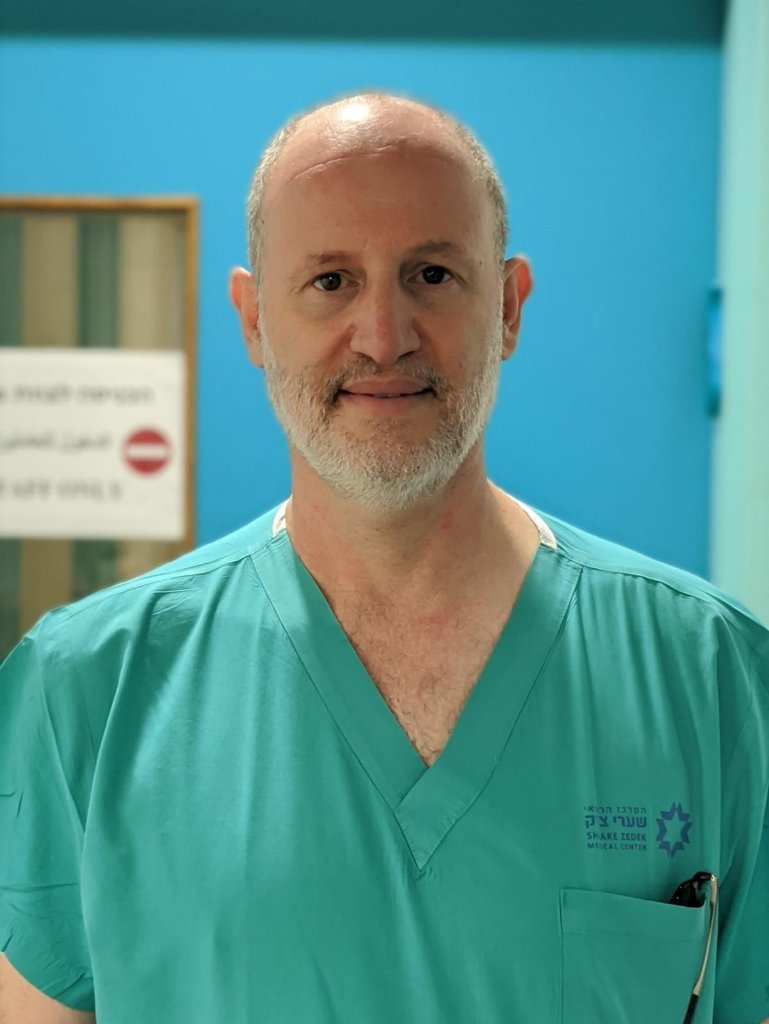
Clinical and research focus is cardiac electrophysiology with particular expertise in cardiac arrhythmias, catheter ablation, and the implantation and management of pacemakers and defibrillators. Patients are treated for atrial fibrillation, supraventricular and ventricular arrhythmias, Brugada syndrome and other inherited arrhythmia conditions, alongside the diagnosis and long-term management of conduction system disorders.
Training in medicine was completed at Tel Aviv University, followed by residency in Internal Medicine at Shamir Medical Center (Assaf Harofeh) and residency in Cardiology at the Tel Aviv Sourasky Medical Center. Subspecialty fellowship training in electrophysiology and complex catheter ablation was completed at the Cardiac Arrhythmia Center, UCLA, in the United States. Senior physician roles in cardiology and electrophysiology followed at the Tel Aviv Sourasky Medical Center.
Current roles include Director of the Electrophysiology Unit at the Jesselson Integrated Heart Center, Shaare Zedek Medical Center, affiliated with the Faculty of Medicine of the Hebrew University of Jerusalem. Contributions to the field include service as a coordinator of the 2021 European Society of Cardiology guidelines on cardiac pacing and cardiac resynchronization therapy, and ongoing work as a reviewer for professional electrophysiology journals. Published work spans Brugada syndrome, atrial fibrillation and pulmonary vein isolation, atrioventricular nodal reentrant tachycardia, remote monitoring of cardiac implantable electronic devices, and electrophysiology in transcatheter aortic valve implantation.
Also volunteers as a senior medical advisor with Lema'anchem, a leading medical support organization that helps patients navigate complex diagnoses and access world-class medical expertise.
Editorial Note
This article was reviewed and formatted by the MED.COM editorial process to align with international clinical standards.
Medical Disclaimer
This content is provided for informational and educational purposes only. It does not constitute medical advice, diagnosis, or treatment. Always seek the advice of a qualified healthcare professional regarding any medical condition.
Focus Areas
Stay informed with the latest medical insights from MED.COM
Advertisement
Related Articles
Expert Perspectives
Diabetes: Causes, Symptoms, Diagnosis, Complications, and Modern Treatment (Complete Guide)
Expert Perspectives
Cervical Cancer: Causes, Symptoms, Screening, Stages, and Treatment (Complete Guide)
Expert Perspectives
Osteoporosis: Causes, Symptoms, Diagnosis, Fracture Risk, and Treatment (Complete Guide)
Expert Perspectives
Celiac Disease: Symptoms, Diagnosis, Gluten-Free Diet, and Long-Term Management (Complete Guide)
Expert Perspectives
Fatty Liver Disease and the Global Rise of Obesity
Expert Perspectives
