
Fatty Liver Disease and the Global Rise of Obesity
Advertisement
Fatty liver disease has become the most common chronic liver condition in the world. Once considered a relatively benign incidental finding on an ultrasound, it is now recognized as the leading cause of advanced liver disease in the developed world, the fastest-growing reason for liver transplantation, and a serious contributor to cardiovascular mortality.
The trajectory of the disease parallels the trajectory of obesity globally. As populations have grown heavier and more metabolically unwell, the prevalence of fatty liver has expanded dramatically. The condition now affects roughly a quarter to a third of adults in many populations, and significant proportions of children and adolescents in countries where childhood obesity has risen sharply.
The condition is, for most patients, silent in its early stages. There is no pain, no jaundice, no warning. By the time symptoms appear, the disease is often well-advanced, with substantial scarring already present in the liver. This is why fatty liver disease is increasingly viewed not as a passive radiological finding but as a serious metabolic condition that warrants active attention from both patients and physicians.
The past few years have seen remarkable developments in this field. The medical terminology has been updated. The first medication for the inflammatory form of the disease has been approved by the United States Food and Drug Administration, ending a long era in which lifestyle change was the only available treatment. New evidence has expanded the role of newer obesity medications, particularly GLP-1 receptor agonists, in protecting and improving liver health. The condition that was once dismissed as untreatable has become one of the most actively studied and rapidly evolving areas in modern hepatology.
This guide explains how fatty liver disease develops, why it matters, how it is diagnosed, and how modern treatment is changing what is achievable for the millions of people who live with the disease.
What Fatty Liver Disease Is
Fatty liver disease is a condition in which excess fat accumulates within liver cells. A healthy liver contains very little fat. When fat content rises above approximately 5 percent of liver weight, the condition crosses into fatty liver, also known as hepatic steatosis.
The accumulation of fat is not, by itself, the most concerning aspect of the disease. The progression that follows is. In a meaningful proportion of patients, simple fat accumulation triggers an inflammatory response within the liver. Liver cells become injured. Repair processes activate. Over time, scar tissue replaces normal liver tissue in a process called fibrosis. As fibrosis advances, it distorts the architecture of the liver and impairs its function. In the most advanced stage, the liver becomes extensively scarred and shrunken, a condition called cirrhosis, which carries serious consequences including liver failure, cancer, and death.
Not every patient with fatty liver disease progresses through this sequence. Many remain at the stage of simple fat accumulation indefinitely. But a significant minority do progress, and the consequences for those who do are severe. Identifying which patients are at risk of progression, and intervening before serious damage develops, is one of the central challenges of modern hepatology.
Updated Terminology: From NAFLD to MASLD
The medical terminology used to describe fatty liver disease was revised in 2023 by major international liver organizations, and understanding the new terms is increasingly important.
The condition formerly known as non-alcoholic fatty liver disease, or NAFLD, is now called metabolic dysfunction-associated steatotic liver disease, abbreviated as MASLD. The change reflects a more accurate understanding of the disease. The previous name defined the condition by what it was not, the absence of significant alcohol consumption, rather than by what it actually is. The new name identifies the underlying driver: metabolic dysfunction, including obesity, insulin resistance, type 2 diabetes, hypertension, and abnormal lipid patterns.
The inflammatory form of the disease, formerly known as non-alcoholic steatohepatitis or NASH, is now called metabolic dysfunction-associated steatohepatitis, or MASH. This is the more concerning form, characterized not just by fat accumulation but by inflammation and active liver cell injury, which carries a substantially elevated risk of progression to cirrhosis.
The older terms, NAFLD and NASH, remain in widespread use and will continue to appear in clinical and patient-facing material for years. Both sets of terminology refer to the same underlying conditions. For clarity, this guide uses both as appropriate.
For more on the distinction between simple fatty liver and the inflammatory form, see NAFLD vs NASH: What's the Difference?.
How Fatty Liver Disease Develops
The development of fatty liver disease is closely tied to the broader metabolic dysfunction that characterizes the global rise of obesity, type 2 diabetes, and metabolic syndrome.
The process begins with the body's handling of excess calories. When energy intake consistently exceeds the body's needs, the liver becomes increasingly involved in storing fat. Insulin resistance, which develops in many overweight and obese individuals, exacerbates this process. As cells throughout the body become less responsive to insulin, the liver receives signals that promote fat accumulation, while at the same time the liver itself becomes resistant to insulin's normal regulatory effects.
Once fat has accumulated in liver cells, several mechanisms can drive progression toward inflammation. Lipotoxicity, the toxic effects of certain fat species on liver cells, contributes to cellular injury. Endoplasmic reticulum stress, a state in which liver cells struggle to manage the metabolic load placed on them, activates inflammatory pathways. Mitochondrial dysfunction reduces the cell's ability to handle fatty acids efficiently. Together, these processes can transform what began as simple fat accumulation into the inflammatory state characteristic of MASH.
When inflammation persists, the liver attempts to repair itself by laying down scar tissue. This is the same process that produces scarring after any wound, but in the liver, the continuing inflammation and injury prevent the scarring from resolving. Over years, the scar tissue accumulates, eventually replacing normal liver architecture and producing cirrhosis.
The relationship between obesity, diabetes, and fatty liver disease is bidirectional. Each condition aggravates the others. Fatty liver disease worsens insulin resistance, which worsens diabetes, which worsens fatty liver. Breaking this cycle, through weight loss, improved metabolic health, or specific treatments, is the central goal of management.
For more on the metabolic connections, see Fatty Liver and Obesity: What's the Connection? and Fatty Liver and Diabetes: A Hidden Link.
Who Is at Risk
The risk factors for fatty liver disease overlap substantially with those for metabolic syndrome and other conditions of metabolic dysfunction.
Obesity is the strongest single risk factor. The relationship is dose-dependent: higher body mass index corresponds to higher rates and greater severity of fatty liver disease. Abdominal obesity, in particular, is closely associated with the disease.
Type 2 diabetes substantially elevates risk and accelerates progression. People with both diabetes and fatty liver disease tend to develop more severe liver damage and to do so more rapidly than those with fatty liver disease alone.
Insulin resistance, even in people who have not yet developed diabetes, drives fatty liver development.
Abnormal lipid patterns, particularly elevated triglycerides and low HDL cholesterol, are commonly associated with fatty liver and reflect the same underlying metabolic disturbance.
Hypertension is part of the metabolic syndrome that often accompanies fatty liver and contributes to overall risk.
Polycystic ovary syndrome, sleep apnea, and hypothyroidism are conditions that frequently coexist with fatty liver and can contribute to its development.
Genetic factors play a role. Certain genetic variants, particularly in a gene called PNPLA3, increase susceptibility to fatty liver disease and influence whether it progresses to advanced stages.
Importantly, fatty liver disease can also occur in individuals who are not overweight, sometimes called lean MASLD. These cases often involve specific genetic predispositions or unusual metabolic factors and may require specialized evaluation.
Children and adolescents are increasingly affected, paralleling the rise in childhood obesity. Pediatric fatty liver disease is no longer rare and represents a meaningful concern in countries with high rates of childhood obesity.
The Silent Progression
One of the defining features of fatty liver disease is how silently it progresses. In the early stages, when fat is accumulating but inflammation has not yet developed, there are essentially no symptoms. Patients feel entirely normal. The condition is typically detected incidentally, either as an unexpected finding on an abdominal ultrasound performed for another reason or as elevated liver enzymes on routine bloodwork.
Even as the disease progresses to inflammation and early fibrosis, symptoms remain absent or minimal. Some patients describe a vague sense of fatigue or mild discomfort in the upper right abdomen, but these symptoms are nonspecific and easily attributed to other causes.
It is typically only at advanced stages, when significant scarring or cirrhosis has developed, that symptoms become more obvious. By this point, the liver damage is substantial and may not be fully reversible. Symptoms at this stage can include persistent fatigue, easy bruising, fluid accumulation in the abdomen or legs, jaundice, and confusion related to liver dysfunction.
The silent nature of early disease is the central challenge of management. The patients who would benefit most from intervention, those with disease still in its reversible stages, often have no reason to seek medical attention. By the time symptoms drive them to the clinic, the opportunity for full reversal has often passed.
This is why screening, even in the absence of symptoms, has become an increasingly important part of caring for high-risk populations.
For more on what to watch for, see Fatty Liver Symptoms: Early and Advanced Signs.
How Fatty Liver Disease Is Diagnosed
The diagnosis of fatty liver disease typically begins with a finding rather than a complaint. Two common pathways lead to diagnosis.
Advertisement
Imaging Findings
Abdominal ultrasound performed for another reason often reveals fatty liver as an incidental finding. The imaging characteristics of fatty infiltration are recognizable, and a specific pattern called increased echogenicity is the typical sign. Ultrasound is sensitive for moderate to severe fatty liver but less sensitive for mild fat accumulation.
CT scans and MRI can also detect fatty liver and may quantify it more precisely than ultrasound. MRI-based techniques, particularly MRI proton density fat fraction, provide highly accurate measurements of liver fat content and are increasingly used in research and specialized clinical settings.
Blood Tests
Routine bloodwork showing elevated liver enzymes, particularly alanine aminotransferase, often abbreviated as ALT, is another common pathway to diagnosis. Patients with otherwise unexplained elevations in liver enzymes are typically investigated for fatty liver disease and other causes of liver injury.
It is important to recognize, however, that liver enzyme levels are imperfect indicators. Many patients with significant fatty liver disease have normal liver enzymes, and conversely, elevated enzymes have many possible causes. Blood tests are useful but not definitive.
Assessment of Fibrosis Severity
Once fatty liver disease is identified, the most important question is how advanced the disease is, particularly whether significant fibrosis has developed. Several approaches address this question.
Non-invasive scoring systems combine routine blood test results to estimate the likelihood of advanced fibrosis. The FIB-4 score, calculated from age, AST, ALT, and platelet count, is widely used. The NAFLD Fibrosis Score is another commonly used calculation. These scores help identify patients at higher risk who warrant further evaluation.
Transient elastography, often known by the brand name FibroScan, is a non-invasive test that measures liver stiffness using ultrasound-based technology. Liver stiffness correlates with the degree of fibrosis. The test is quick, painless, and can be performed in clinic, and it has become a standard tool in the evaluation of fatty liver disease.
Magnetic resonance elastography, an MRI-based technique, provides even more accurate measurements of liver stiffness in selected cases.
Liver Biopsy
Liver biopsy, in which a small sample of liver tissue is obtained through a needle inserted through the skin, remains the most definitive diagnostic test. It can confirm the diagnosis, distinguish simple fat accumulation from MASH, grade the severity of inflammation, and stage the degree of fibrosis with precision that non-invasive tests cannot match.
Because biopsy carries small risks, it is no longer used routinely in every patient. It is reserved for situations where the diagnosis is unclear, where treatment decisions hinge on knowing the precise stage, or where clinical trials require confirmed pathology.
For more on the diagnostic approach, see How Fatty Liver Disease Is Diagnosed and Fatty Liver Blood Tests Explained.
The Stages of Fatty Liver Disease
Fatty liver disease is typically classified into stages that reflect the progression from simple fat accumulation to advanced scarring.
Simple Steatosis
Simple steatosis, the earliest stage, involves fat accumulation in liver cells without significant inflammation or injury. Many patients remain at this stage indefinitely without progressing. The risk of liver-related complications at this stage is low, but the metabolic conditions associated with the disease still warrant attention.
Steatohepatitis (MASH)
When inflammation and active liver cell injury develop, the disease progresses to MASH. At this stage, the liver is being actively damaged, and the risk of progressive fibrosis is meaningful. MASH is the form of the disease most strongly associated with serious long-term consequences, and it is the form for which targeted medical treatment has become available.
Fibrosis
As liver injury continues, scar tissue accumulates. Fibrosis is graded on a scale from F0 (no fibrosis) to F4 (cirrhosis). Mild fibrosis, F1 and F2, is often reversible with appropriate treatment. Advanced fibrosis, F3, indicates significant scarring that may not fully resolve. F4 represents cirrhosis.
Cirrhosis
Cirrhosis is the most advanced stage of fibrosis, characterized by extensive scarring that distorts the liver's architecture and impairs its function. Patients with cirrhosis face risks including liver failure, internal bleeding from enlarged veins in the esophagus, accumulation of fluid in the abdomen, confusion related to toxin buildup, and primary liver cancer. Cirrhosis from fatty liver disease has become one of the leading reasons for liver transplantation worldwide.
For more on staging, see Stages of Fatty Liver Disease.
The Foundation of Treatment: Lifestyle Change
The single most powerful intervention in fatty liver disease, and the foundation on which all other treatments build, is lifestyle change. The evidence supporting this approach is robust and consistent across multiple research populations and clinical contexts.
Weight Loss
Weight loss is the most effective intervention for fatty liver disease. Even modest weight loss produces meaningful improvements. Loss of 5 percent of body weight typically reduces liver fat. Loss of 7 to 10 percent often resolves inflammation in MASH. Loss of more than 10 percent can produce regression of fibrosis in some patients. The relationship between the magnitude of weight loss and the degree of liver improvement is direct and well-established.
Dietary Patterns
Dietary patterns associated with improvement in fatty liver disease share several features. They emphasize vegetables, whole grains, legumes, fish, healthy fats, and moderate portions. They reduce intake of refined carbohydrates, sugary drinks, processed foods, and saturated fats.
The Mediterranean diet has been particularly well-studied and is associated with both improvement in liver fat and broader cardiovascular benefit. Reducing intake of fructose-sweetened beverages and ultra-processed foods is consistently associated with improvement.
For more on dietary approaches, see Fatty Liver Diet: What to Eat and Avoid.
Physical Activity
Regular physical activity improves liver fat content even when weight is not significantly lost. Both aerobic exercise and resistance training have been shown to reduce liver fat, and the combination is often most effective. Most guidelines recommend at least 150 minutes per week of moderate-intensity aerobic activity, combined with resistance training two or more times per week.
For more on exercise specifically, see Best Exercise for Fatty Liver Disease.
Advertisement
Alcohol Avoidance
Even in non-alcoholic fatty liver disease, alcohol can directly worsen liver injury and accelerate disease progression. Most clinical guidelines recommend complete avoidance of alcohol, or strict limitation to minimal levels, in patients with significant fatty liver disease.
For more on the alcohol distinction, see Alcohol vs Non-Alcoholic Fatty Liver Disease.
Managing Coexisting Conditions
Optimal management of associated conditions, including diabetes, hypertension, and abnormal lipid patterns, contributes substantially to liver health. The medications used to manage these conditions also matter: certain medications, particularly some classes used for diabetes, have specific benefits in fatty liver disease.
Medications: A Transformed Landscape
For decades, fatty liver disease had no approved targeted treatment. Patients were told to lose weight and exercise, with no medication option specifically designed to address the underlying liver disease. This has changed dramatically in recent years.
Resmetirom: The First Approved Treatment for MASH
In 2024, the United States Food and Drug Administration approved resmetirom, marketed as Rezdiffra, as the first medication specifically indicated for the treatment of MASH with significant fibrosis. Resmetirom acts on a thyroid hormone receptor in the liver, targeting metabolic pathways that drive disease progression.
Clinical trials demonstrated that resmetirom can produce both resolution of MASH and improvement in fibrosis in a meaningful proportion of treated patients. The approval represents a turning point in fatty liver disease treatment, providing the first dedicated pharmacological option for patients with the more aggressive form of the disease.
The medication is intended to be used alongside, not in place of, lifestyle modification. It is most appropriate for patients with confirmed MASH and moderate to advanced fibrosis (stages F2 and F3), and its use requires specialized evaluation and ongoing monitoring.
GLP-1 Receptor Agonists
GLP-1 receptor agonists, including semaglutide and tirzepatide, were initially developed for diabetes and have transformed both diabetes care and obesity treatment. Their effects on fatty liver disease have become an area of intense research, with accumulating evidence showing meaningful improvement in liver fat content and inflammation.
Recent trials have demonstrated that semaglutide can resolve MASH in many patients, even without dedicated indication for the disease. Tirzepatide, which combines GLP-1 and GIP receptor activation, appears to produce even greater effects on liver disease in some studies.
These medications are not yet specifically approved for fatty liver disease, but their effects on weight, blood sugar, and liver fat make them increasingly relevant in the management of patients with fatty liver disease who also have diabetes or obesity.
Other Medications
Other medication classes, including pioglitazone for patients with diabetes, vitamin E in selected patients without diabetes, and SGLT2 inhibitors, have specific roles in fatty liver disease management. Each has indications, limitations, and side effect profiles that determine appropriate use.
Statins, often prescribed for the cardiovascular risk that accompanies fatty liver disease, are safe in this population and may have direct liver-related benefits.
Bariatric Surgery and Endoscopic Procedures
For patients with severe obesity and fatty liver disease who have not achieved sufficient improvement through lifestyle change and medication, bariatric surgery has been shown to produce dramatic improvements in liver disease. Bariatric procedures, including gastric bypass and sleeve gastrectomy, often produce resolution of MASH and regression of fibrosis in addition to substantial weight loss and improvement in diabetes.
Newer endoscopic procedures, including endoscopic sleeve gastroplasty and intragastric balloons, offer less invasive options for weight loss. These procedures produce more modest weight loss than surgery but can be appropriate for selected patients.
Liver Transplantation
For patients whose liver disease has progressed to end-stage cirrhosis or who have developed primary liver cancer, liver transplantation may become necessary. Fatty liver disease is now one of the leading causes of liver transplantation in many countries, and in some it has become the most common.
The transplant process involves rigorous evaluation of medical, surgical, and psychosocial factors. After successful transplantation, the underlying metabolic conditions that caused the original disease can recur and threaten the new liver, which is why ongoing management of weight, diabetes, and cardiovascular risk remains essential after transplantation.
Why Reversal Is Possible
One of the most important messages in fatty liver disease is that the early and intermediate stages of the disease are often reversible. Liver fat can resolve. Inflammation can subside. Fibrosis, particularly at earlier stages, can regress. The liver has remarkable regenerative capacity, and given the opportunity to recover, it often does.
The conditions that determine reversibility are largely the conditions that drove the disease in the first place. Substantial weight loss, good control of diabetes and metabolic factors, regular physical activity, and avoidance of alcohol provide the environment in which liver healing becomes possible.
This message of reversibility is genuine and supported by consistent evidence. It is also conditional. The earlier the intervention and the more comprehensive the response, the greater the chance of full recovery. Once cirrhosis is established, the structural damage to the liver is largely permanent, though even at this stage, controlling further progression remains valuable.
For a deeper discussion of reversibility, see Can Fatty Liver Be Reversed?.
When to See a Specialist
Many patients with fatty liver disease are appropriately managed by their primary care physician, particularly when the disease is mild and lifestyle factors are well-addressed. Specialist referral to a hepatologist or gastroenterologist becomes valuable in specific situations.
These include suspected MASH or significant fibrosis, persistently abnormal liver enzymes despite lifestyle change, abnormal findings on imaging or elastography, evaluation for resmetirom or other targeted therapies, evaluation for bariatric surgery, complex cases with multiple coexisting conditions, and any signs of advanced liver disease.
Specialized hepatology centers can offer comprehensive evaluation, including advanced imaging, transient elastography, and liver biopsy when indicated, along with access to clinical trials and the newest treatment options.
Conclusion
Fatty liver disease has emerged as one of the defining metabolic conditions of the modern era. Its prevalence continues to rise, its consequences are serious, and its connection to the broader epidemic of obesity and metabolic dysfunction is profound. Yet the trajectory of the disease is no longer fixed.
The understanding of how fatty liver disease develops has matured substantially. The terminology has been updated to reflect a more accurate framing of the condition. Diagnostic tools have improved, allowing better assessment of who has the disease and how severe it is. Treatment options have expanded, with the first dedicated medication for MASH now approved and additional therapies in active development. Lifestyle interventions, the foundation on which all other treatments build, have been better characterized and shown to produce meaningful benefit.
For patients diagnosed today, the practical message is straightforward. Fatty liver disease deserves attention, but it is not an untreatable condition. With consistent attention to weight, diet, physical activity, and the management of coexisting metabolic conditions, the trajectory of the disease can be substantially altered. Modern medications add additional tools, particularly for patients with more advanced disease. Specialized care provides access to the full range of available options.
The story of fatty liver disease is, in many ways, the story of metabolic medicine more broadly. The connection between how we eat, how we move, and how our organs function has never been clearer. The opportunity to change the trajectory of one of the most common chronic diseases in the world has never been more concrete.
For broader context on metabolic conditions, see What Is Fatty Liver Disease (NAFLD)?.
About the Author
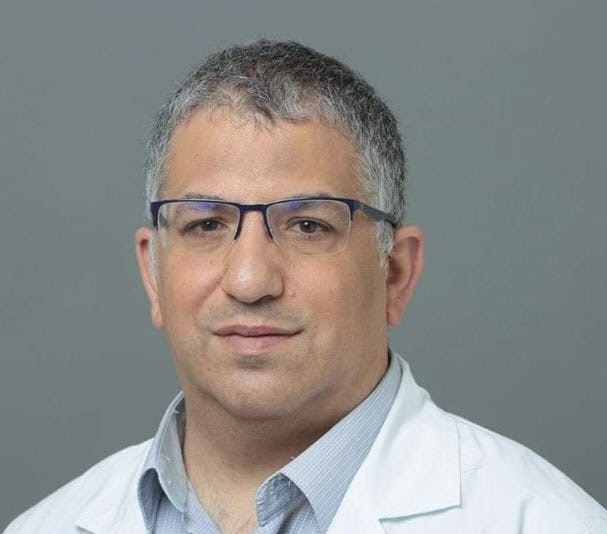
Clinical and research focus is liver disease and gastroenterology with particular expertise in living donor liver transplantation, post-transplant immunology, and the management of advanced and chronic liver conditions. Patients are treated for fatty liver disease, viral hepatitis B and C, liver fibrosis and cirrhosis, and pre- and post-transplant care, alongside ongoing research into therapies that prevent transplant rejection and induce immune tolerance.
Training in medicine was completed at the Sackler Faculty of Medicine, Tel Aviv University, followed by residency in Internal Medicine at Beilinson Hospital and fellowship training in advanced liver disease and liver transplantation at the Multi-Organ Transplant Program, Toronto General Hospital, Canada. Further specialization in advanced hepatology was completed through the European Association for the Study of the Liver (EASL) in Paris.
Current roles include Director of the Living Donor Liver Transplant Service at the Liver Institute, Beilinson Hospital Rabin Medical Center, and Senior Physician in the Department of Medicine D at Beilinson Hospital. Published work spans non-alcoholic fatty liver disease, hepatitis C virus management, liver fibrosis assessment, and transplant outcomes.
Also volunteers as a senior medical advisor with Lema'anchem, a leading medical support organization that helps patients navigate complex diagnoses and access world-class medical expertise.
Editorial Note
This article was reviewed and formatted by the MED.COM editorial process to align with international clinical standards.
Medical Disclaimer
This content is provided for informational and educational purposes only. It does not constitute medical advice, diagnosis, or treatment. Always seek the advice of a qualified healthcare professional regarding any medical condition.
Focus Areas
Stay informed with the latest medical insights from MED.COM
Advertisement
Related Articles
Expert Perspectives
Diabetes: Causes, Symptoms, Diagnosis, Complications, and Modern Treatment (Complete Guide)
Expert Perspectives
Cervical Cancer: Causes, Symptoms, Screening, Stages, and Treatment (Complete Guide)
Expert Perspectives
Osteoporosis: Causes, Symptoms, Diagnosis, Fracture Risk, and Treatment (Complete Guide)
Expert Perspectives
Celiac Disease: Symptoms, Diagnosis, Gluten-Free Diet, and Long-Term Management (Complete Guide)
Expert Perspectives
Atrial Fibrillation (AFib): Symptoms, Causes, Stroke Risk, Diagnosis, and Advanced Treatment
Expert Perspectives
